What should I do if I get chest pain while exercising?
On this page
Stop right away and rest. If you have chest pain or discomfort, pain in your arm, shoulder, jaw, neck or back, shortness of breath, or you feel weak, light-headed or faint, call 911 now. Don’t wait to see if it passes.
Most people who get chest pain during exercise want it to be something else, like a pulled muscle, heartburn, a stitch or just being out of shape. They slow down, wait, and carry on when it eases. CDC’s advice is to call 9-1-1 immediately, with no waiting. Heart trouble doesn’t always look the way people expect, and women are more likely than men to have other symptoms, like unusual tiredness and nausea.
What we’d do
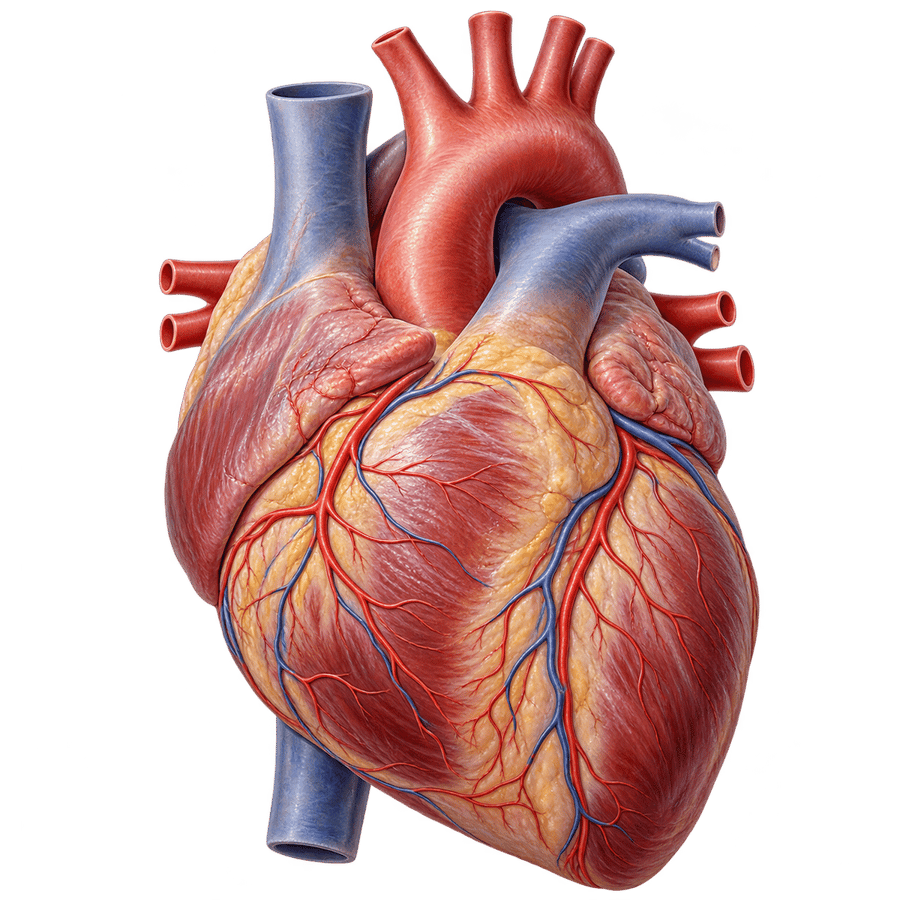
Treat chest pain during exercise as your heart until a doctor says otherwise. If it comes with any of the signs below, call 911. If it stopped as soon as you rested, don’t exercise again until you’ve talked to your doctor, and tell them exactly what you were doing and when it started.
Chest pain during exercise is like a smoke alarm going off. You get out first and look for the fire later.
When to call 911
CDC lists these as the major signs of a heart attack, and says to call 9-1-1 immediately if you notice them in yourself or someone else:
- Chest pain or discomfort
- Feeling weak, light-headed or faint
- Pain or discomfort in the jaw, neck or back
- Pain or discomfort in one or both arms or shoulders
- Shortness of breath
Women are more likely to also have unexplained tiredness, or nausea and vomiting.
When to stop and rest
MedlinePlus lists the signs that exercise is putting too much strain on your heart. Stop what you’re doing and rest if you have:
- Dizziness or light-headedness
- Chest pain
- An irregular heartbeat or pulse
- Shortness of breath
- Nausea
If the symptoms are very bad, or they don’t go away when you stop, tell your provider right away. MedlinePlus also says to contact your provider for any pain, pressure, tightness or heaviness in your chest, arm, neck or jaw, and to write down what you were doing and the time it happened.
Why the warning signs count
In 2015, the American College of Sports Medicine rewrote how it screens people before exercise. It found that exercise is safe for most people, that the heart risks of exercise shrink as people get fitter, and that heart events during exercise are often preceded by warning signs. Stopping at the first sign is how you use that warning.
Before your next session
Our session player asks about chest pain first. If you’ve had chest pain, pressure or tightness in the last month, at rest or when you’re active, Today’s session won’t play anything and shows a card to talk to a doctor first. Who should check with a doctor first has the rest of the list.
3 sources
- Centers for Disease Control and Prevention, Heart attack symptomscdc.gov
- MedlinePlus, Being active when you have heart disease, reviewed 2024medlineplus.gov
- Riebe D and others, Updating ACSM's recommendations for exercise preparticipation health screening, Medicine and Science in Sports and Exercise, 2015europepmc.org
