How do I start exercising after 50?
Lift first and walk every day. With age, strength fades two to five times faster than muscle, and two short strength sessions a week slow that down, while brisk walks cover the cardio half. Fifty isn’t late. People who got active in their 40s and 50s had about the same lower risk of death as people who’d been active all along.
At 50, a lot of people assume the window has closed, that whatever fitness they didn’t build by 30 is gone, and that starting now mostly means getting hurt. They stick to walking, if anything, and skip the part that does the most for them at this age. Strength is the thing that slips fastest, and it starts coming back once you work on it.
What we’d do
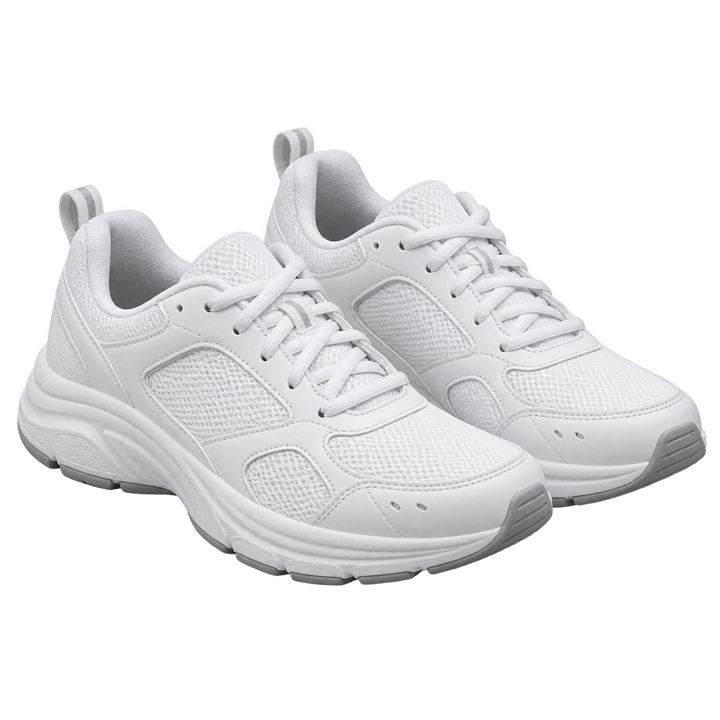
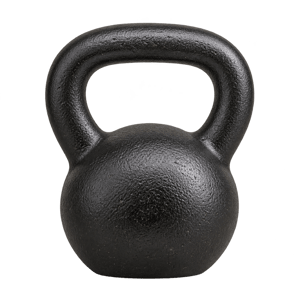
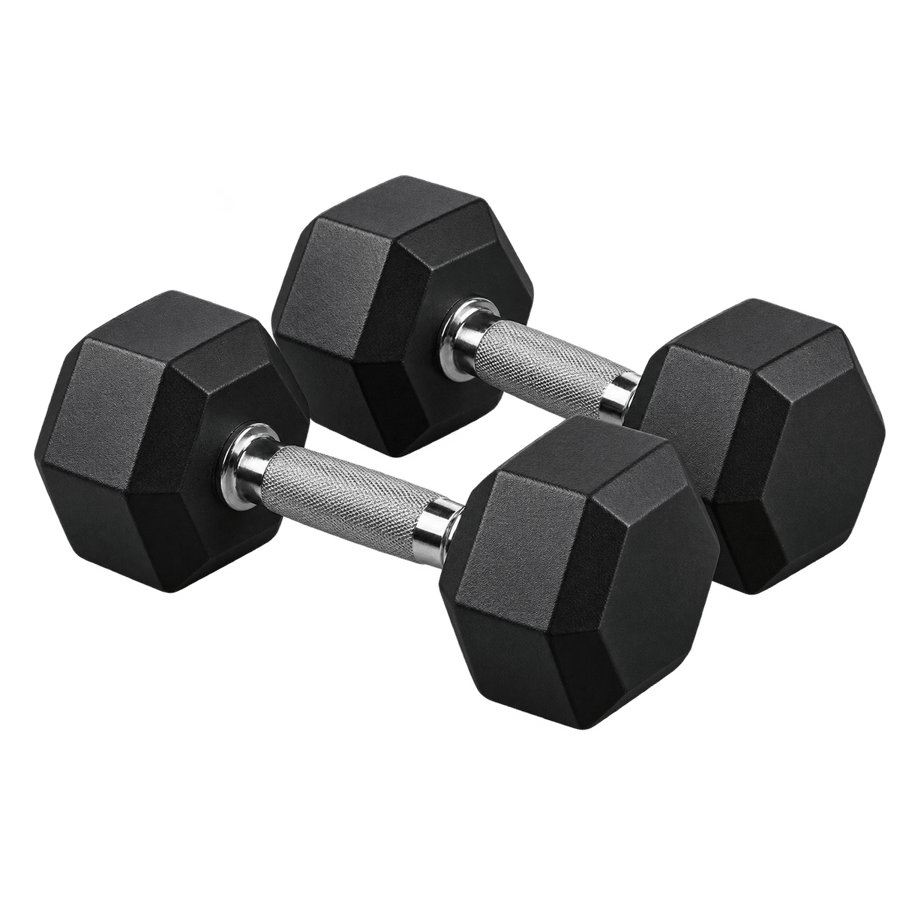
In week one, do two strength circuits at home and three brisk walks of 10 to 15 minutes. Use chair squats, counter push-ups, rows, glute bridges, a grocery bag carry and a one-foot hold, and stop each move with two or three good reps left. Walk on most other days. Add a little each week, and once the circuit feels easy, add a third round or pick up some dumbbells.
Strength after 50 is like a path through tall grass. Walk it twice a week and it stays open. Leave it for a year and it’s hard to find, and it opens up again once you start walking it.
Is it too late?
No. In a study of 315,059 AARP members aged 50 to 71, people recalled how active they’d been at four stages of life, and were followed to 2011. Against people who were inactive their whole adult lives:
35%lower risk of death
People who were inactive most of their adult life and got active between 40 and 61.
36%lower risk of death
People who stayed the most active at every stage of their lives.
71,377deaths
Over the years of follow-up, in six states and two cities.
People who started late did about as well as people who’d never stopped. The study relied on what people remembered and chose to do, so it can’t prove the late starters’ new habit caused the drop. lifespan.guide covers the years-of-life side of it at lifespan.guide.
Why lift first?
Because strength goes faster than muscle. A 2012 review found that in studies measuring both in the same people, strength fell 2 to 5 times faster than muscle mass, and that losing strength was the more consistent risk for disability and death. By 75, strength was falling 3 to 4% a year in men and 2.5 to 3% in women.
It comes back quickly. In the training records of 14,690 people with an average age of 48 who lifted once a week, strength rose about 30 to 50% in the first year, and age made little difference to how fast they gained. Walking can build some leg strength too, if part of it is fast. In a 2007 trial of 246 adults around 63, five months of interval walking made their thighs 13% stronger.
Do I need to see a doctor first?
Most people can start walking today. The American College of Sports Medicine screens on how active you are now, symptoms or known heart, metabolic or kidney disease, and how hard you plan to go. Talk to a doctor first if you’ve had chest pain, get dizzy or faint, or get very short of breath with light effort, or if you have a heart condition, kidney disease or diabetes and you’re not active now. The US guideline’s advice for anyone starting out is to “start low and go slow.”
The quiz builds your first four weeks from your age, your chair stand count and what you have at home, and Today’s session plays the circuit with a voice and a timer.
6 sources
- Saint-Maurice PF and others, Association of leisure-time physical activity across the adult life course with all-cause and cause-specific mortality, JAMA Network Open, 2019europepmc.org
- Mitchell WK and others, Sarcopenia, dynapenia, and the impact of advancing age on human skeletal muscle size and strength, Frontiers in Physiology, 2012europepmc.org
- Steele J and others, Long-term time-course of strength adaptation to minimal dose resistance training, Research Quarterly for Exercise and Sport, 2023europepmc.org
- US Department of Health and Human Services, Physical Activity Guidelines for Americans, 2nd edition, executive summary, 2018odphp.health.gov
- Riebe D and others, Updating ACSM's recommendations for exercise preparticipation health screening, Medicine and Science in Sports and Exercise, 2015europepmc.org
- Nemoto K and others, Effects of high-intensity interval walking training on physical fitness and blood pressure in middle-aged and older people, Mayo Clinic Proceedings, 2007europepmc.org