How should I exercise on a GLP-1?
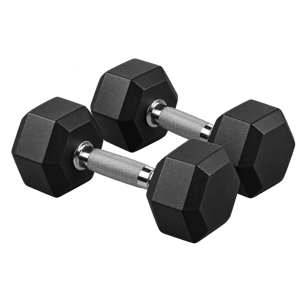
Lift at least twice a week, before you add more cardio, and eat protein at every meal. Part of the weight people lose on these drugs is lean mass, about a quarter of it on tirzepatide in its main trial, and lifting is how you tell your body to keep its muscle. On days you feel low, a walk still counts.
The drugs take care of appetite so well that exercise can feel optional. Other people see headlines saying GLP-1s “eat your muscle” and panic. Both miss the same point. Any big weight loss takes some lean mass with it, and the drugs cause a lot of weight loss, so the muscle question gets bigger. The answer is the same one that works on any diet, and it’s mostly lifting.
What we’d do
Start lifting the week you start the drug, two sessions a week, every big muscle, stopping each set with two or three good reps left. Walk on the other days as your energy allows. Eat protein first at each meal, in the typical range of 1.2 to 1.6 g per kg of body weight a day, about 100 to 130 grams at 180 pounds. The Gyroscope app personalizes yours. If you can’t eat enough, or you feel dizzy or faint, talk to your prescriber, and never change a dose on your own.
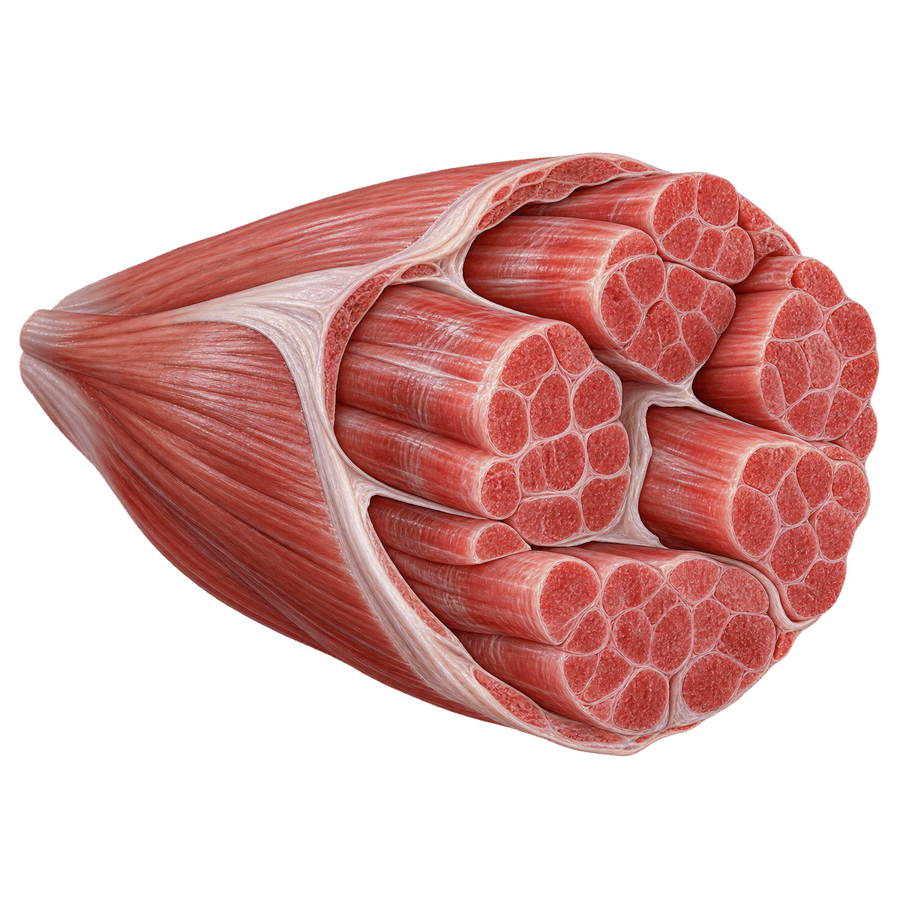
Your body treats muscle like a gym membership it pays for every day. When food gets scarce, it cancels the memberships it isn’t using. Lifting twice a week shows it you’re still using this one.
How much lean mass goes?
In the tirzepatide trial (the drug sold as Mounjaro and Zepbound), 160 people had body scans at the start and after 72 weeks:
| Tirzepatide | Placebo | |
|---|---|---|
| Body weight | 21.3% lower | 5.3% lower |
| Fat mass | 33.9% lower | 8.2% lower |
| Lean mass | 10.9% lower | 2.6% lower |
Lean mass made up about a quarter of the weight lost in both groups, 26% against 25%, so the drug didn’t change the share, only the size of the loss. Lean mass on a scan also counts water, organs and skin, so not all of it is muscle. In semaglutide’s trial (Ozempic and Wegovy), the lean share was higher, and bodyfat.guide has both in do GLP-1 drugs make you lose muscle?
What does lifting save?
A 2018 review pooled six trials in which older adults with obesity dieted for 12 to 24 weeks, and some of them also lifted three times a week. The lifters lost about as much fat as the dieters who didn’t lift, and they prevented 93.5% of the lean mass loss that dieting alone caused. No trial has tested the same thing on a GLP-1 yet, but the drugs work by cutting how much you eat, so we’d expect lifting to do the same job.
Strength gets more important as you age, since it fades faster than muscle does. In 1,880 people in their 70s, leg strength fell about three times faster than leg muscle. The US guideline asks everyone for two strength days a week, and on a GLP-1 we’d treat those two days as the part of the week you never skip.
Protein while you’re eating less
The drugs cut your appetite, so protein is easy to miss. Under 1.2 g per kg of body weight a day is low for most people. If more than a fifth of your weight is still to lose, count from your goal weight plus a fifth of today’s weight. bodyfat.guide’s protein calculator does the math, and the quiz adds a GLP-1 note to your first four weeks. strength.guide has the full lifting plan, and you don’t need a gym for any of it, since how to exercise at home with no equipment covers both halves with a chair, a counter and two grocery bags. If you’re still deciding about the drug, bodyfat.guide sets losing fat on your own beside a coach and a GLP-1 in natural vs guided fat loss.
5 sources
- Look M and others, Body composition changes during weight reduction with tirzepatide in the SURMOUNT-1 study of adults with obesity or overweight, Diabetes, Obesity and Metabolism, 2025europepmc.org
- Sardeli AV and others, Resistance training prevents muscle loss induced by caloric restriction in obese elderly individuals: a systematic review and meta-analysis, Nutrients, 2018europepmc.org
- bodyfat.guide, Do GLP-1 drugs make you lose muscle?bodyfat.guide
- Goodpaster BH and others, The loss of skeletal muscle strength, mass, and quality in older adults: the Health, Aging and Body Composition Study, Journals of Gerontology, 2006europepmc.org
- US Department of Health and Human Services, Physical Activity Guidelines for Americans, 2nd edition, executive summary, 2018odphp.health.gov