Can I exercise while pregnant?
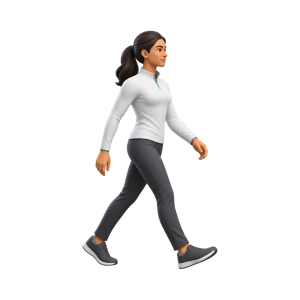
Yes, for most pregnancies, unless your provider tells you otherwise. The US guideline asks for at least 150 minutes a week of moderate activity during pregnancy, and women who were active or did vigorous exercise before can usually keep going. Brisk walking, water aerobics, cycling and some kinds of yoga all count.
A lot of women still hear that pregnancy is a time to rest, from relatives, from old books and sometimes from strangers in the gym. The worry is for the baby, and it’s understandable. US obstetricians have moved the other way. Their committee says that without complications, activity in pregnancy is “safe and desirable,” and that women should be encouraged to start or keep going.
What we’d do
Talk to your provider at your first visit about what’s right for your pregnancy, and ask again if anything changes. Then aim for 150 brisk minutes a week, in short pieces if that’s easier. If you were running or lifting before, ask about keeping it up. In our session player, pregnancy leaves brisk walking, strength and balance, and holds back stair bursts and intervals until your provider says they’re fine.
Exercising while pregnant is like driving in the rain. You don’t leave the car in the garage. You slow down a little, leave more room and pay closer attention.
What do the guidelines say?
The 2018 US guideline asks for at least 150 minutes a week of moderate activity during pregnancy and the first year after birth, spread through the week if you can. Women who did vigorous activity or were active before pregnancy can continue. Pregnant women should be under the care of a provider who can watch the pregnancy and help adjust activity.
CDC gives brisk walking, some forms of yoga, water aerobics and bike riding as examples, says women who already run can usually keep running, and suggests avoiding exercises that have you lying flat on your back after the first trimester.
The American College of Obstetricians and Gynecologists, in its 2020 committee opinion, says obstetric care providers should encourage women to keep exercising or to start. It says that in the absence of obstetric or medical complications, activity in pregnancy is safe and desirable, and that some routines may need changing as the body changes.
What does it do for you?
In studies that followed women who exercised during pregnancy, ACOG lists lower rates of gestational diabetes, cesarean birth and assisted vaginal delivery, and a shorter recovery after birth. These are observational studies of women who chose to exercise, so some of the difference may come from who those women were. The risks of activity in pregnancy are small for most women, in ACOG’s words “minimal.”
When should I stop?
Stop and rest if you feel dizzy, get chest pain, feel your heart beating irregularly, feel sick or can’t catch your breath, the signs MedlinePlus lists for when exercise is straining your heart. Then call your provider. If anything else feels wrong, call too. Chest pain or pressure, or pain in your arm, jaw or back, means calling 911.
When the baby comes, when can I start exercising after giving birth? picks up from here, and who should check with a doctor first has the full list of times to ask before you start.
5 sources
- American College of Obstetricians and Gynecologists, Physical activity and exercise during pregnancy and the postpartum period, Committee Opinion 804, Obstetrics and Gynecology, 2020europepmc.org
- US Department of Health and Human Services, Physical Activity Guidelines for Americans, 2nd edition, executive summary, 2018odphp.health.gov
- Centers for Disease Control and Prevention, Physical activity for healthy pregnant or postpartum womencdc.gov
- MedlinePlus, Being active when you have heart disease, reviewed 2024medlineplus.gov
- Centers for Disease Control and Prevention, Heart attack symptomscdc.gov
