How to exercise: walk most days and lift twice a week
On this page
- The map
- Why does the first hour do the most?
- Why count the week instead of the day?
- What are the two halves?
- What counts as brisk?
- Which kind of exercise is best?
- How do you start?
- How do you keep going?
- What about the rest of the day?
- Why are you here?
- Where did the idea come from?
- How does moving change your body?
- What changed since our old guide
- What the evidence doesn’t show
- The simple plan
- Everything in the guide
Walk briskly most days, lift something heavy twice a week, and start smaller than you think. The first hour a week does the most. In 661,137 adults, people who did less than the guideline still had 20% lower risk of death than people who did nothing.
Most people get stuck before they start. They picture an hour at the gym, five days a week, drenched in sweat, and decide anything less doesn’t count. Others pick a team, cardio or weights, and argue about it, when the people with the lowest risk did both. A lot of people exercise to lose weight, watch the scale barely move for a month and quit, when exercise does its best work keeping weight off and keeping muscle. And plenty never get past the first question, because there are a hundred kinds of exercise and a thousand opinions on each.
All of it fits on one page. Exercise has two halves, the week is the unit, a walk counts if it’s brisk, and the first small step is the biggest one you’ll ever take. Everything else on this site goes deeper on one of those ideas.
One good week: 120 brisk minutes, 15 hard ones (each counts as two) and two strength days.
The first hour does the most
What we’d do
Walk briskly most days, at a pace where you can talk but not sing, and lift something heavy twice a week. Start with less than feels like enough, three 10-minute walks and two short strength sessions in the first week, and add one thing at a time. Count the week, since two long days did as well as five short ones. Pick the kind of cardio you’ll still be doing in March. And take the stairs fast whenever they show up, because that counts too.
That covers both halves of the US guideline, 150 brisk minutes and 2 strength days a week. If you’re at zero now, your first hour a week is the biggest gain you’ll ever make.
None of it needs anything you have to buy. If you want to and can, start the natural way, with what you already have: walks from your front door, the stairs, the yard, and six body-weight moves with a chair and a kitchen counter. A gym, gear, a watch or an app can come later, if you find you want them. How to exercise at home with no equipment lays out the whole week.
The map
- The first hour does the most. The curve is steep at the start and flat by 5 hours. How much do you need?
- Count the week, not the day. Two long days did as well as five short ones. When and how often
- Two halves, heart and muscle. Cardio and strength do different jobs. The cardio guide and why lift
- Brisk is a pace you can hear. Talk but not sing, about 100 steps a minute. What counts
- Any kind counts. Pick the one you’ll keep. The map of exercise types
- Start smaller than you think, with what you have. Then add one thing at a time. How to start and exercise at home with no equipment
- Make it stick. Most people quit by month three, and that’s fixable. Staying with it
- The rest of the day counts too. Steps, sitting and one-minute bursts. Steps and sitting
Why does the first hour do the most?
Think of watering a plant that’s gone dry. The first glass makes the biggest difference by far, and the leaves lift within the hour. The second glass helps. By the fifth, water is running out of the bottom of the pot, and the plant is no better off, but it isn’t hurt either.
Exercise and the risk of dying early look like that in the big studies. In 661,137 adults followed for a median of 14 years, doing less than the guideline went with 20% lower risk of death than doing nothing. One to two times the guideline went with 31%, and three to five times with 39%, where the curve flattened out. Even 10 times the guideline was still 31% lower than nothing, with no sign of harm. These are people who chose their own exercise, so the numbers describe groups and can’t promise anything to one person.
The person with the most to gain is the one doing nothing now, and the first small step does more than any later one. How much exercise do you need? has the whole curve, and can you exercise too much? covers the far end.
Why count the week instead of the day?
The US guideline is written per week: 150 minutes of brisk activity, or 75 of hard activity, or a mix, since a hard minute counts as two. It doesn’t care how you slice it. In 350,978 US adults, people who got the same total minutes in one or two days had the same death rates as people who spread them over the week.
That frees up a lot of real weeks. A long Saturday hike and a Sunday bike ride count. So do five 30-minute walks, or ten 15-minute ones, because the 2018 guideline dropped the old rule that only 10-minute stretches counted. When and how often should you work out? and weekend workouts show how to lay it out.
What are the two halves?
Cardio and strength are two different jobs. Cardio, anything that gets you breathing harder for a while, builds the engine: your heart pumps more with each beat and your muscles get better at using oxygen. Strength work, anything that makes your muscles work hard against a load, builds muscle and bone, which a walk doesn’t do for your arms, chest or back.
People who did both had 40% lower risk of death than people who did neither, in a review of 16 studies. Only about 1 in 4 American adults does both (26.4% in 2024). Most people who exercise have one half covered and are missing the other, and that missing half is usually the cheapest gain they have left.
This site covers the cardio half in depth, from walking to rowing, in the cardio guide. For lifting, why lift if you already walk? gives the weekly role, and strength.guide has the program and every muscle group.
What counts as brisk?
You can hear it. CDC’s talk test says brisk (moderate) means you can talk but not sing, and hard (vigorous) means you can only say a few words before you need a breath. For a walk, about 100 steps a minute marked moderate effort in a lab study of 76 adults 21 to 40, and CDC puts a brisk walk at 2.5 mph or faster. A slow stroll still helps your health, it just doesn’t add to the 150.
- Hatha yoga Light
- Tai chi Brisk
- E-bike, high assist Brisk
- Golf, carrying clubs Brisk
- Brisk walk, 3.5 mph Brisk
- Easy rowing Brisk
- Water aerobics Brisk
- Easy laps Brisk
- Bike, 9.4 mph Brisk
- Soccer, casual Hard
- Jogging Hard
- Hike with a daypack Hard
- Singles tennis Hard
- Run, 12 min a mile Hard
- Hard rowing Hard
METs: the energy of the activity against sitting still. CDC counts 3 to 5.9 as moderate and 6 or more as vigorous. Values from the 2024 Compendium of Physical Activities, measured in adults 19 to 59.
The surprise in that chart is how much of ordinary life lands in the brisk band, and how quickly a sport or a hill pushes you into the hard one. What counts as exercise? has the details, and is my walk brisk enough? counts your steps for you.
Which kind of exercise is best?
The one you’ll still be doing in March. Every kind falls into four families, by what it builds, and you need the first two.
 Heart and lungs
 Strength
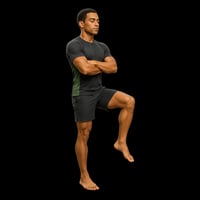 Balance and mobility
 Play
The differences between kinds are smaller than people argue. Across 28 trials, steady cardio raised fitness by about 4.9 ml/kg/min against no exercise and intervals by about 5.5. In 80,306 British adults, people who played racket sports had 47% lower risk of death than people who didn’t, and swimmers 28%. A sport you love and keep beats a perfect plan you drop. The map of exercise types gives every kind what it’s good for and how to start, and the cardio deep dives cover walking, running, cycling, swimming, rowing, intervals and zone 2.
How do you start?
Smaller than you think. The US guideline’s own words for inactive people are “start low and go slow”. In week one that’s three 10-minute brisk walks and two short strength sessions, then one change in week three. We’d rather you finish week one wanting more than sore and behind.
Most people can start walking today. A few should talk to a doctor first, like anyone with chest pain, fainting or breathlessness with light effort. Who should check with a doctor first? has the questions. Then how to start, your first four weeks and your first time at the gym lay out the steps.
How do you keep going?
Starting is the easy part. Among 5,240 new members of one fitness center, 63% had stopped going before their third month, and under 4% kept at it for a full year. A habit took a median of 59 to 66 days to form in the studies that timed it.
The fixes are small and a bit surprising. When scientists tested 54 programs on 61,293 gym members at once, the best one gave small rewards for coming back after a missed workout. Missing a day is normal, so plan for it and make the next one count. How to keep exercising after the first month has the rest.
What about the rest of the day?
Workouts aren’t the only thing that counts. In a 2025 review of 57 studies, 7,000 steps a day went with 47% lower risk of death than 2,000. In 25,241 adults who never exercised, about 4.4 minutes a day of hard bursts in daily life, like a fast flight of stairs, went with 26% to 30% lower risk of death. And in about a million adults, people who sat over 8 hours a day but moved 60 to 75 minutes a day showed no clear extra risk from the sitting.
4.4 min
a day of hard bursts went with 26% to 30% lower risk in people who never exercised
How many steps do you need?, does a workout cancel a day of sitting?, exercise snacks and fitting it into a desk job go deeper.
Why are you here?
People come to exercise for very different reasons, and each one has its own best first step. Pick yours.
 Lose weightWhat exercise can and can't do for the scale
 Stay strong and steady as I ageStrength, balance and the 150 after 65
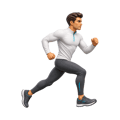 Run my first 5KFrom one minute of running to thirty
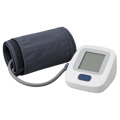 Lower my blood pressureHow many points, and how fast
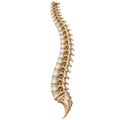 Ease my back painWhich exercise helps, and when to see a doctor
 Live longerHow much does the most, and where it flattens
 Undo a desk jobThe hour that offsets a day in a chair
 Feel betterWhich exercise eased depression most
 Keep muscle on a GLP-1Lift first, then walk
 Get fitterRaise your VO2 max, on vo2max.guide
 Get strongerWhy lift if you already walk
 Steadier blood sugarA walk after meals, on glucose.guide
 Sleep betterWhen a hard workout is too late
 Stay active while pregnantWhat the US guideline asks
Three of these deserve a warning label. If it’s weight, exercise moves the scale less than it feels like, since in 1,754 adults the body made up about 28% of the calories extra activity burned. It’s much better at keeping weight off and keeping muscle (what exercise can do for your weight), and the calories burned calculator prices any session at your weight. If it’s back pain, walking and strength work are first treatments, after a check of the warning signs (what exercise is best for lower back pain?). If it’s aging, add balance to the week: in 108 trials of people 60 and up, exercise cut the rate of falls by 23%.
Where did the idea come from?
It started on London’s buses. In the early 1950s, a British epidemiologist named Jeremy Morris looked at the men who ran the city’s red double-deckers. The driver sat in his cab for the whole shift. The conductor walked the aisle and climbed the stairs to the top deck, over and over, all day. The conductors had less heart disease than the drivers. Postmen, who walked their rounds, seemed protected the same way when Morris compared them with government clerks who sat at desks.
Then Ralph Paffenbarger followed 16,936 Harvard alumni aged 35 to 74 from 1962 to 1978. The men who walked, climbed stairs and played sports had lower death rates. The stairs still turn up in the newest studies, as one of the short bursts that count.
How does moving change your body?
Your muscles pull sugar out of your blood. When a muscle contracts, it moves sugar doors (a transporter called GLUT4) to its surface and takes sugar in from the blood by its own signals. Training adds more of those doors. That’s one reason to keep moving through the day.
Your heart and lungs build a bigger engine. Cardio raises VO2 max, the most oxygen your body can use, and the fitness number has its own site, vo2max.guide.
Your muscles and bones get stronger when they work hard against a load, which is the strength half.
What changed since our old guide
Gyroscope’s first Cardio Guide covered the three kinds of exercise, the energy systems, the five heart rate zones and steady against interval cardio. It now lives on as the cardio guide, rebuilt on current evidence. The biggest changes: the 2018 US guideline replaces the American Heart Association quote and drops the 10-minute rule, the steps target came down to about 7,000, short hard bursts turned out to help beginners too, and zone 2 turned out to be one good part of a week, with hard minutes adding the rest.
What the evidence doesn’t show
- That exercise adds a set number of years to your life. The studies follow people who chose their own exercise, and people who move more differ from people who don’t in ways a questionnaire can’t fully catch.
- That the scale will tell you it’s working. It’s the slowest thing to change.
- That you need any particular gear, app or class. The trials behind these pages used walking, stairs, chairs and dumbbells.
The simple plan
If you want to be healthy and you’re not sure how to fit exercise in, this is how we’d do it.
- Move more in your normal day first, if you want to and can. Walk places, take the stairs fast, carry the groceries and do the yard. You don’t need a gym or any gear to start, and how to exercise at home with no equipment covers both halves.
- Check whether to see a doctor first. Chest pain, fainting, or a heart condition, kidney disease or diabetes while you’re inactive means a talk with a doctor before you push hard. Who should check with a doctor first? has the questions. For a sore back, see what exercise is best for lower back pain.
- Make most of your walks brisk. Talk but not sing, about 100 steps a minute, and build to 150 minutes a week, in any size pieces. Is my walk brisk enough? checks your pace in 15 seconds.
- Add two strength days. Six moves for every big muscle, two rounds, about 12 minutes, at home or at the gym. Today’s session talks you through one.
- Start small and add one thing at a time. Three 10-minute walks and two short strength sessions in week one, the same again in week two, then one change. Your first four weeks has every week.
- Track the week, not the day. Keep an eye on your weekly minutes, your strength days and your phone’s step average over a few weeks. Score a normal week once in Your week to see the one change that adds the most.
- Add more when you want more. At 65 and up, add balance work. For a longer life, go toward 300 minutes. To get fitter, make some minutes hard, and vo2max.guide shows how.
- Plan for the missed week. Most people quit by month three, so decide now what you’ll do after a bad week, and make the next session count instead of starting over on Monday. How to keep exercising after the first month has what works.
The quiz builds steps 2 to 5 for you in eight taps, and every study and tip on this site is in one list, a line each, to pass on.
Everything in the guide
19 sources
- US Department of Health and Human Services, Physical Activity Guidelines for Americans, 2nd edition, executive summary, 2018odphp.health.gov
- Centers for Disease Control and Prevention, Measuring physical activity intensitycdc.gov
- Healthy People 2030, PA-05, adults who do enough aerobic and muscle-strengthening activityodphp.health.gov
- Arem H and others, Leisure time physical activity and mortality: a detailed pooled analysis of the dose-response relationship, JAMA Internal Medicine, 2015europepmc.org
- Momma H and others, Muscle-strengthening activities are associated with lower risk and mortality in major non-communicable diseases: a systematic review and meta-analysis of cohort studies, British Journal of Sports Medicine, 2022europepmc.org
- dos Santos M and others, Association of the weekend warrior and other leisure-time physical activity patterns with all-cause and cause-specific mortality, JAMA Internal Medicine, 2022europepmc.org
- Stamatakis E and others, Association of wearable device-measured vigorous intermittent lifestyle physical activity with mortality, Nature Medicine, 2022europepmc.org
- Tudor-Locke C and others, Walking cadence (steps/min) and intensity in 21-40 year olds: CADENCE-adults, International Journal of Behavioral Nutrition and Physical Activity, 2019europepmc.org
- Ding D and others, Daily steps and health outcomes in adults: a systematic review and dose-response meta-analysis, Lancet Public Health, 2025europepmc.org
- Ekelund U and others, Does physical activity attenuate, or even eliminate, the detrimental association of sitting time with mortality? A harmonised meta-analysis of data from more than 1 million men and women, The Lancet, 2016europepmc.org
- Oja P and others, Associations of specific types of sports and exercise with all-cause and cardiovascular-disease mortality: a cohort study of 80 306 British adults, British Journal of Sports Medicine, 2017europepmc.org
- Milanović Z, Sporiš G and Weston M, Effectiveness of high-intensity interval training (HIT) and continuous endurance training for VO2max improvements: a systematic review and meta-analysis of controlled trials, Sports Medicine, 2015europepmc.org
- Sperandei S, Vieira MC and Reis AC, Adherence to physical activity in an unsupervised setting: explanatory variables for high attrition rates among fitness center members, Journal of Science and Medicine in Sport, 2016europepmc.org
- Milkman KL and others, Megastudies improve the impact of applied behavioural science, Nature, 2021europepmc.org
- Careau V and others, Energy compensation and adiposity in humans, Current Biology, 2021europepmc.org
- Sherrington C and others, Exercise for preventing falls in older people living in the community, Cochrane Database of Systematic Reviews, 2019europepmc.org
- Paffenbarger RS, Blair SN and Lee IM, A history of physical activity, cardiovascular health and longevity: the scientific contributions of Jeremy N Morris, International Journal of Epidemiology, 2001europepmc.org
- Paffenbarger RS and others, Physical activity, all-cause mortality, and longevity of college alumni, New England Journal of Medicine, 1986europepmc.org
- Richter EA and Hargreaves M, Exercise, GLUT4, and skeletal muscle glucose uptake, Physiological Reviews, 2013europepmc.org
